High Temperature Resistance: While the K-type alloy can measure temperatures up to 1250°C, the Teflon (PTFE) insulation has a specific limit, typically around 250°C to 260°C, making it suitable for applications requiring these specific conditions.
Excellent Chemical Resistance: PTFE is chemically inert, providing a waterproof barrier and resistance to oils, acids, and other industrial fluids, making the cable ideal for wet or chemical environments.
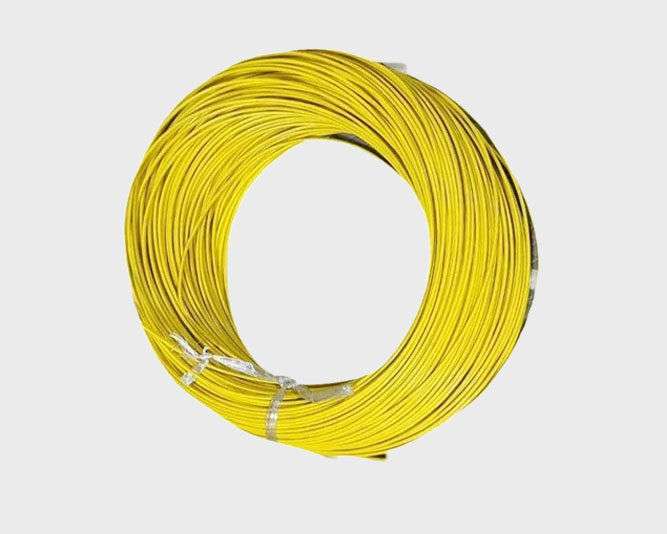
K Type Teflon Compensating Cables
Key Features
High Temperature Resistance: While the K-type alloy can measure temperatures up to 1250°C, the Teflon (PTFE) insulation has a specific limit, typically around 250°C to 260°C, making it suitable for applications requiring these specific conditions.
Excellent Chemical Resistance: PTFE is chemically inert, providing a waterproof barrier and resistance to oils, acids, and other industrial fluids, making the cable ideal for wet or chemical environments.
Flexibility and Mechanical Strength: The use of 7-strand flexible wires beneath the insulation provides good mechanical strength, flexibility, and resistance to abrasion, kinking, and crushing, easing installation in complex setups.
Accurate Temperature Sensing: K-type thermocouples are widely available, cost-effective, and provide accurate readings over a broad temperature range, supported by their use of Chromel and Alumel alloys.
Electrical Insulation and Shielding: The PTFE insulation provides excellent electrical isolation. Some versions may also include a stainless steel braid for superior mechanical protection and to shield the sensitive thermocouple signal from electromagnetic interference (EMI) and radio-frequency interference (RFI).
| Technical Specification | Details |
|---|---|
| • Number of Core | 2 Core |
| • Insulation Material | Copper |
| • Material | PVC |
| • Color | Yellow |
| • Connector Type | K |
| • Application | Connection between a thermocouple and a measuring device |
| • Minimum Order Quantity | 100 Meters |
Get Started
Get in touch today for reliable