Environmental Resistance: Offers various insulation and jacketing options (like PVC, PTFE, or fiberglass) that provide resistance to chemicals, moisture, abrasion, and flame.
Extended Temperature Range (of wire): Designed for use in environments with lower ambient temperature limits (e.g., typically below 200°C/392°F) than the thermocouple probe itself.
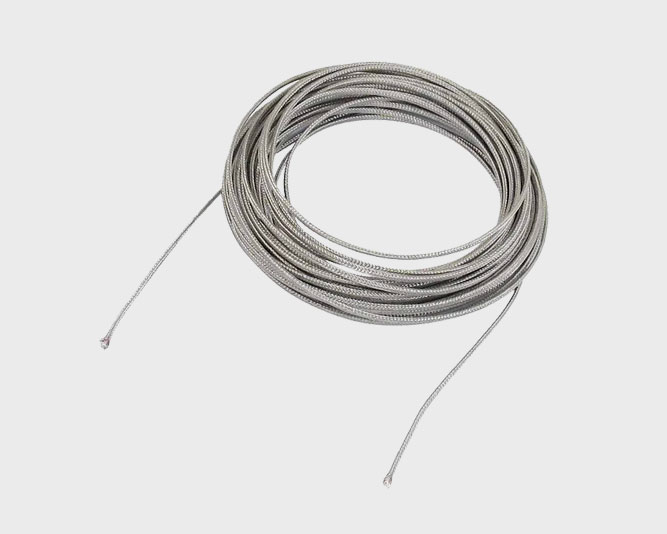
Thermocouple Extension Wire
Key Features
Dissimilar Conductors: Made from the same alloys as the thermocouple it extends, ensuring continuity of the thermoelectric signal.
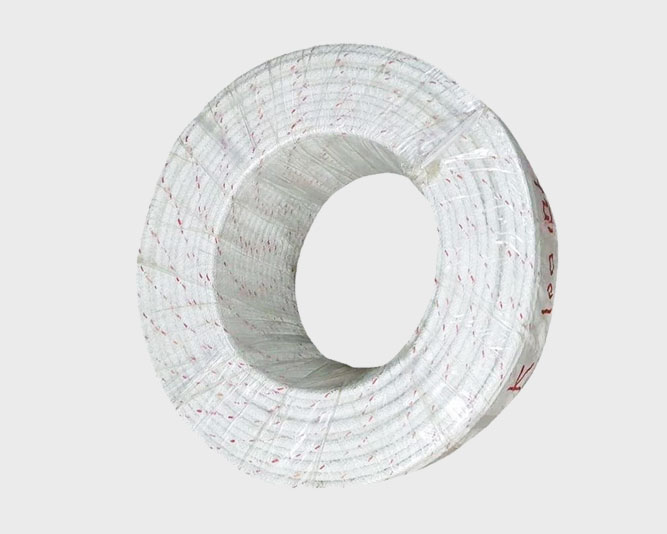
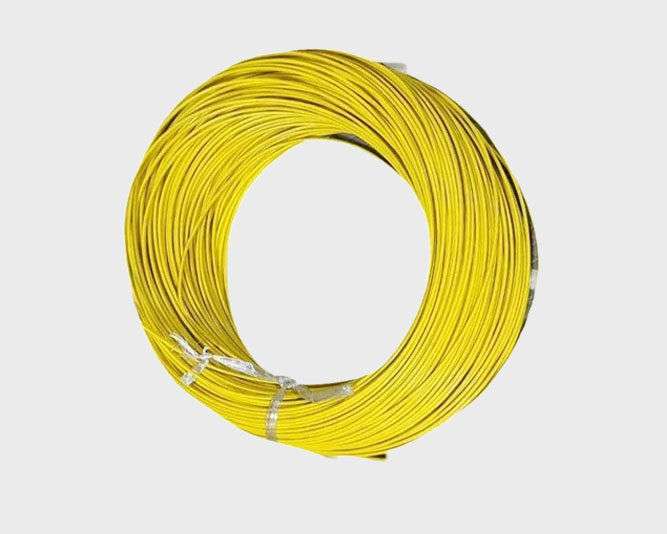
Color-Coded Insulation: Uses standard color-coded insulation (e.g., often red for the negative lead and a specific color for the positive lead depending on the thermocouple type) for easy identification.
Environmental Resistance: Offers various insulation and jacketing options (like PVC, PTFE, or fiberglass) that provide resistance to chemicals, moisture, abrasion, and flame.
Extended Temperature Range (of wire): Designed for use in environments with lower ambient temperature limits (e.g., typically below 200°C/392°F) than the thermocouple probe itself.
Cost-Effectiveness: It is more economical for extending thermocouples over long distances because it has less stringent manufacturing tolerances and lower material costs than thermocouple-grade wire.
| Technical Specification | Details |
|---|---|
| • Temperature | 200 degreeC |
| • Conductor Type | Copper |
| • Shape | Round |
| • Color | Silver |
| • Pack Type | Box |
Get Started
Get in touch today for reliable